Drill vs impact driver vs hammer drill: which one do you need?
The three tools look alike and share the same batteries, but each is built for a different kind of work. Pick the wrong one and you'll either strip screws or wait forever for a hole in brick.
Drill/driver: the all-rounder
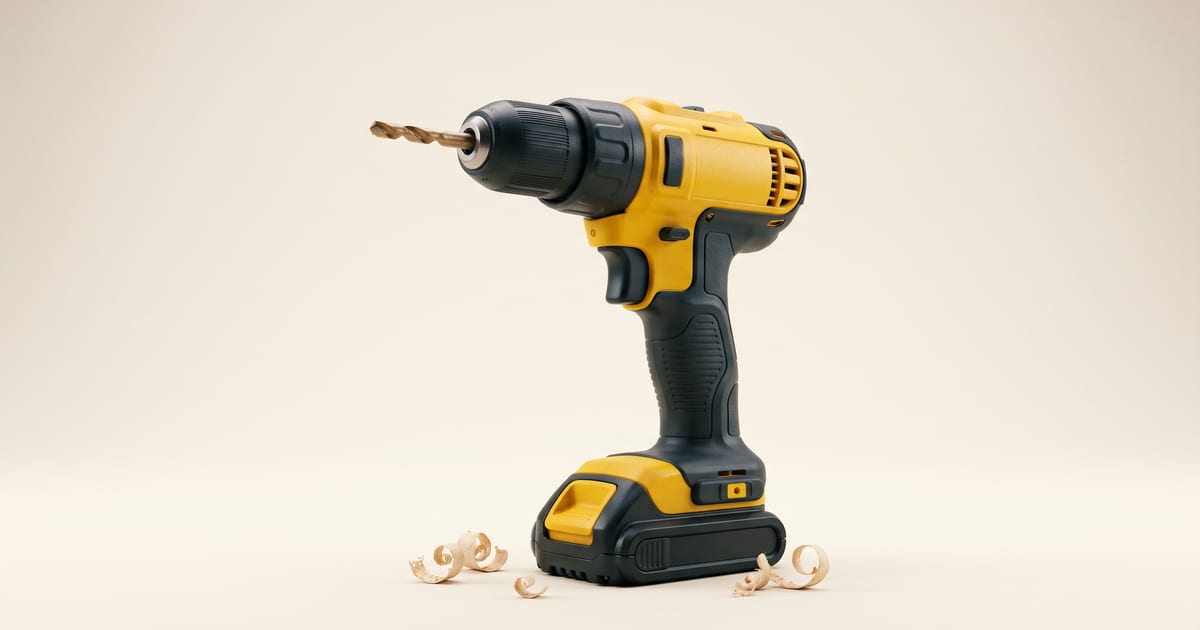
A drill/driver spins a chuck at a controlled speed with an adjustable clutch. The clutch slips once a set torque is reached, so you can drive a screw flush without sinking it through soft material. That control makes it the right tool for:
- Drilling holes in wood, metal and plastic
- Assembling furniture and cabinets
- Driving screws where finish matters
If you only buy one cordless tool, make it a drill/driver.
Impact driver: for long and stubborn fasteners
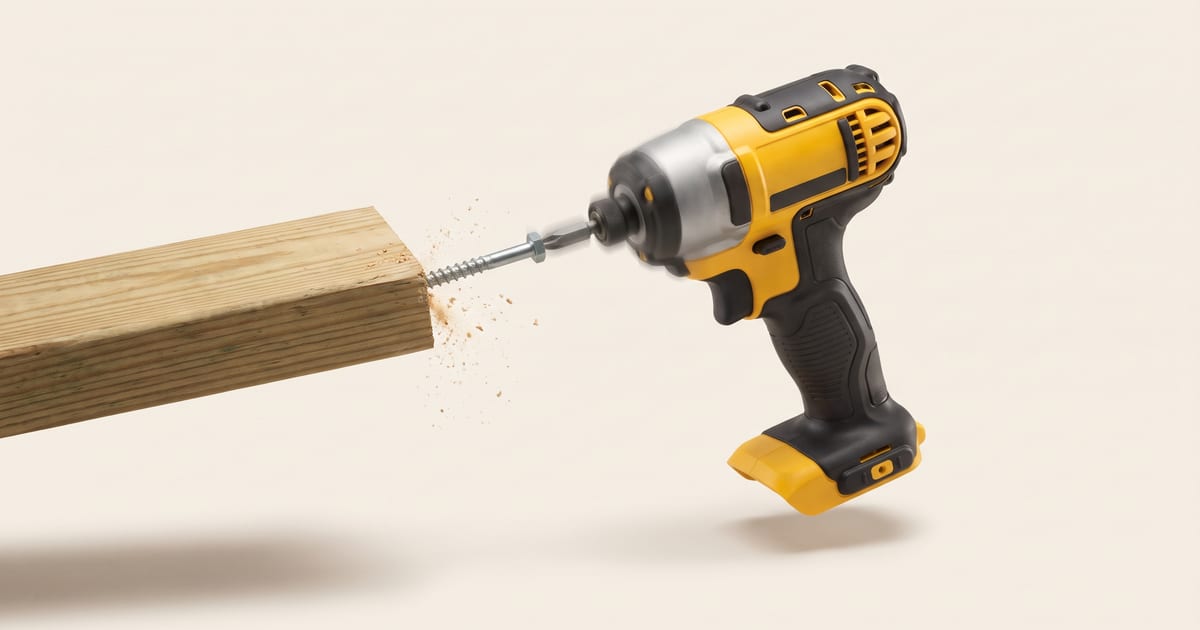
An impact driver adds a hammer-and-anvil mechanism that delivers rapid rotational blows once the fastener resists. The result is far more torque in a smaller, lighter body, with less twist sent back into your wrist. It takes 1/4-inch hex bits rather than round drill bits. Use it for:
- Long wood screws, lag bolts and deck building
- Driving hundreds of screws a day (framing, decking, drywall-adjacent work)
- Loosening seized fasteners
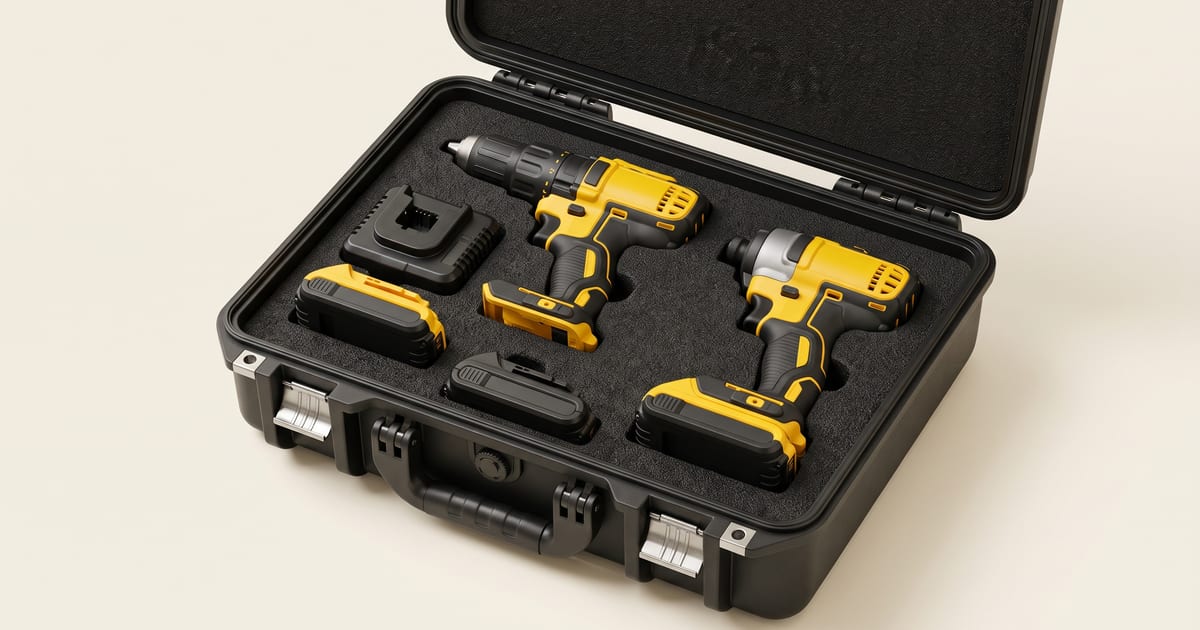
Impact drivers have no clutch, so they are easy to over-drive into soft materials. Most people end up owning both tools, which is exactly why drill + impact driver combo kits are DEWALT's best sellers.
Hammer drill: for masonry
A hammer drill is a drill/driver with an extra mode that pulses the chuck forward and back as it spins. That chiselling action breaks up brick, block and mortar. In normal mode it works like a regular drill, just slightly heavier.
Choose a hammer drill if you will occasionally drill into masonry to hang shelves, run cables or fix anchors. For frequent concrete work or holes bigger than about 1/2 inch, step up to an SDS rotary hammer, which hits much harder.
Quick decision guide
| Your main jobs | Best pick |
|---|---|
| Mixed DIY: holes, furniture, small repairs | Drill/driver |
| Decking, framing, lots of long screws | Impact driver (plus a drill) |
| Occasional brick or block | Hammer drill |
| Regular concrete, anchors, chiselling | SDS rotary hammer |
Not sure? Use the drill comparison tool and set the sliders for the work you actually do. It ranks every current DEWALT drill in your region against those needs.